Chawton
hampshire home to the austens and and the knights
Mrs Austen moved here with her two daughters, and family friend Martha Lloyd in July 1809. It was part of the Chawton estate owned by Edward Austen.
Jane published four of her novels whilst she was living here: Sense and Sensibility (1812), Pride and Prejudice (1813), Mansfield Park (1814) and Emma (1815).
Her remaining two novels, Northanger Abbey and Persuasion were published a few months after her death.
Jane Austen left her home for treatment in Winchester at the end of May 1817, never to return.
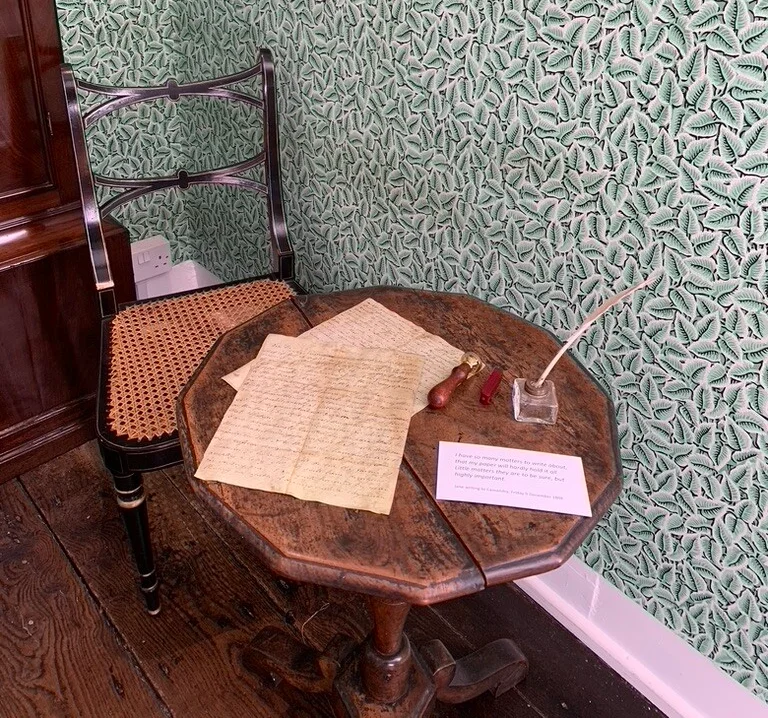
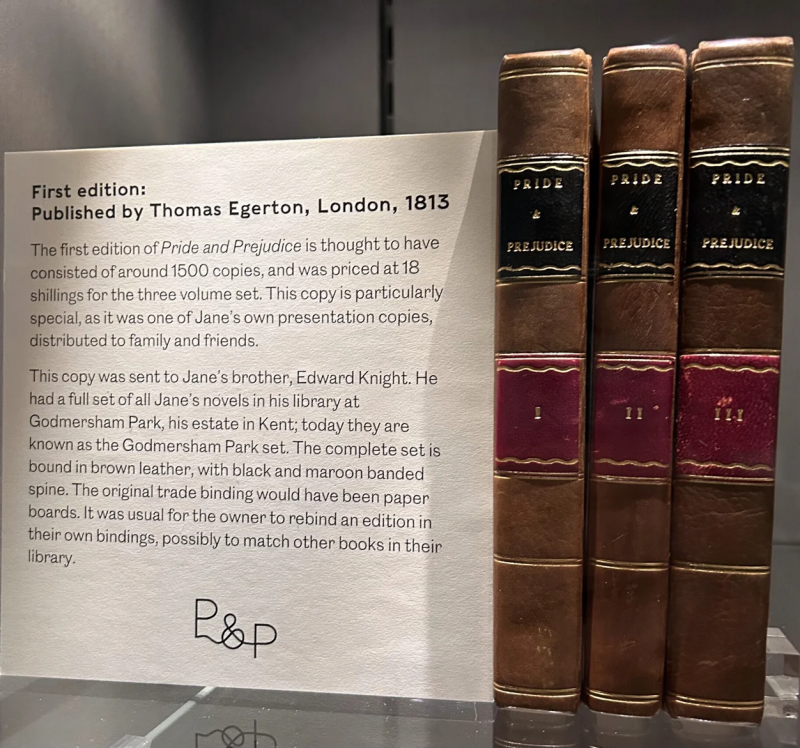
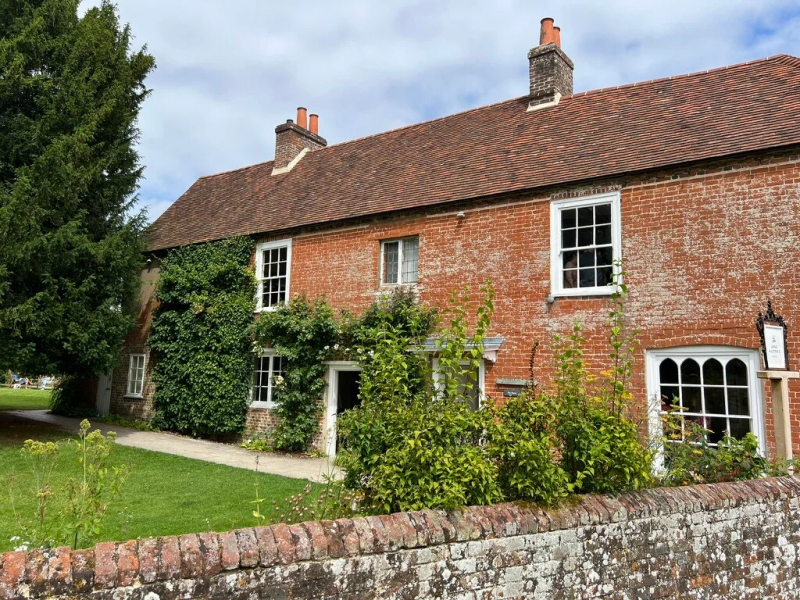
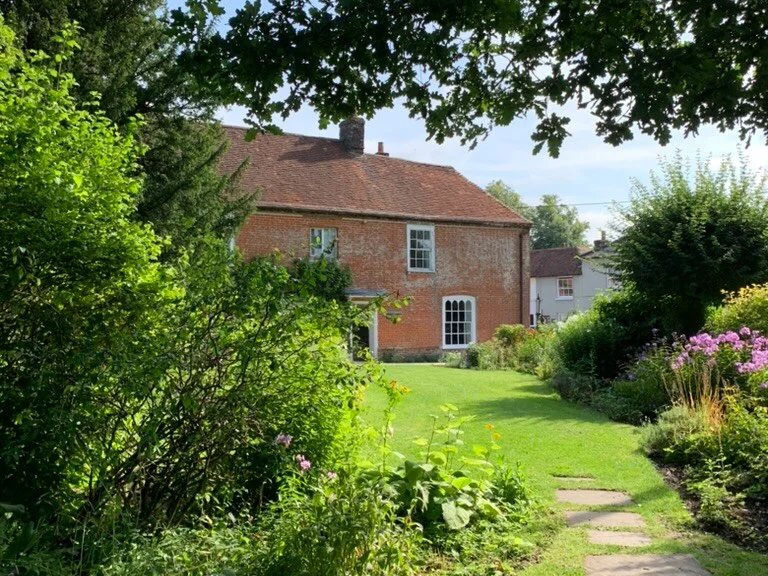
Photos: Jane Austen's House, Chawton
In May, 1940, Dorothy Darnell founded the Jane Austen Society. She was an artist whose object was to purchase Chawton Cottage as a way of preserving Jane’s memory. She was helped in 1948 by Mr Thomas Edward Carpenter, who bought the property in memory of his son, Lt. John Philip Carpenter, who had been killed in action during World War II in 1944. Mr Carpenter established the Jane Austen Memorial Trust in 1949 as the governing body of the house, and it opened to the public as a museum on 23rd July, 1949.
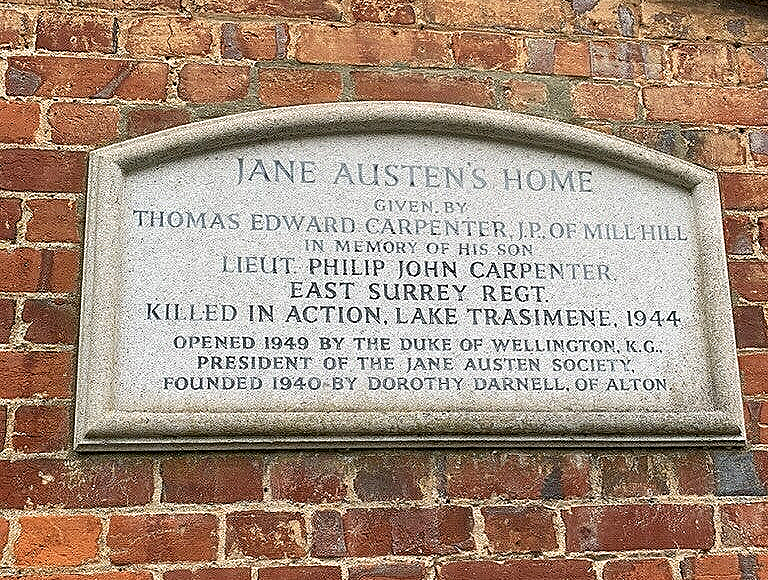
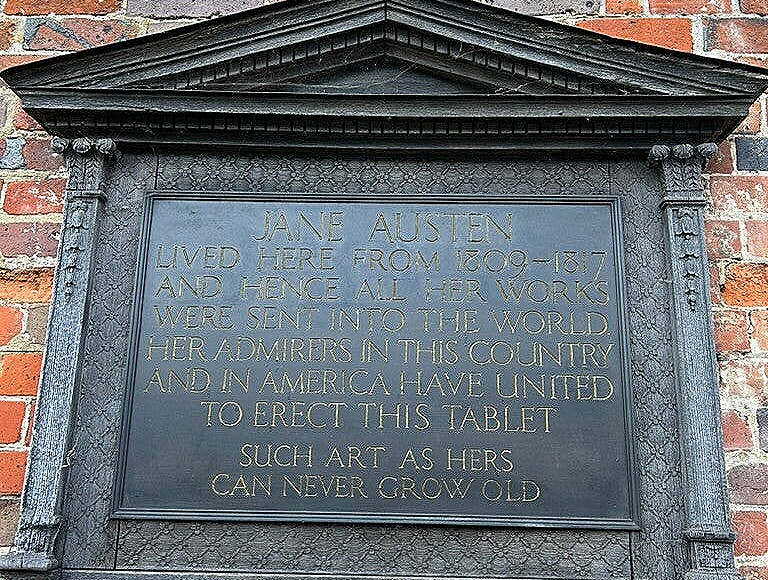
Photos: Memorial plaques at Jane Austen's House
You can read more in 'A Short History of Jane Austen's House' on the Jane Austen's House website here.
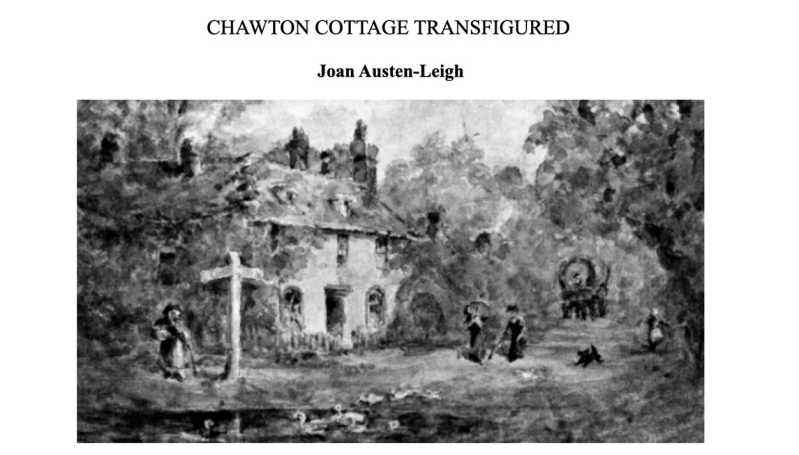
There is also an excellent article entitled 'Chawton Cottage Transfigured', written by Joan Austen-Leigh in Persuasions Online from the Jane Austen Society of North America. Click the image to read the article.
Many of the houses we see today in Chawton were there at the time of our novel. You can take 'A Time Travel Tour Around Chawton' on the 'Autenised' blog here.
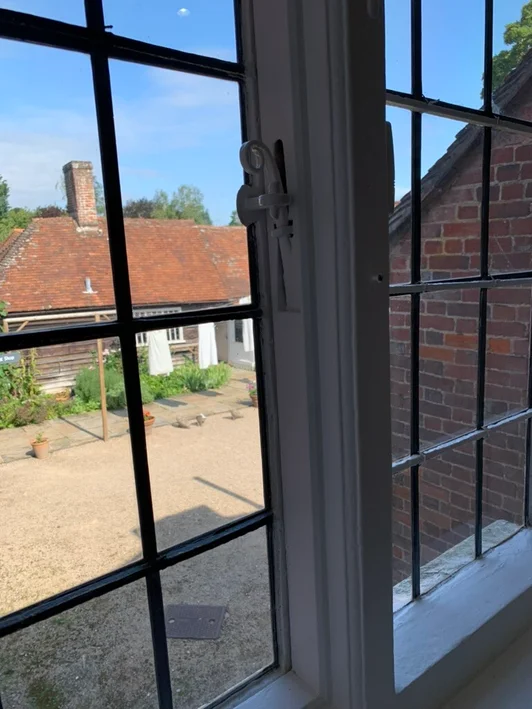
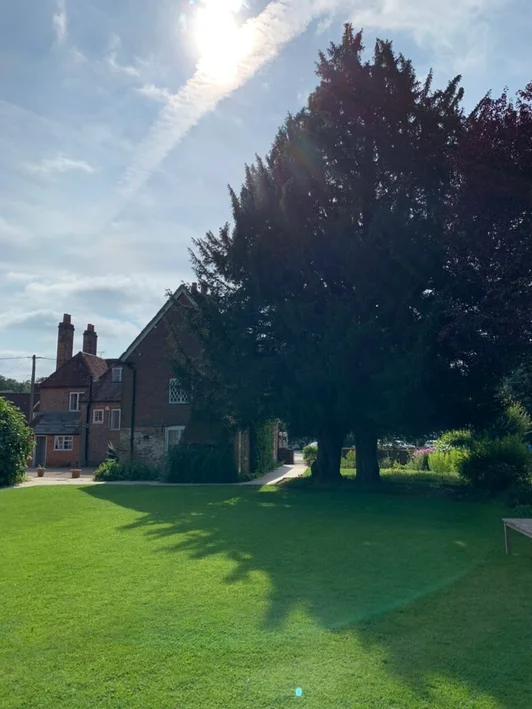
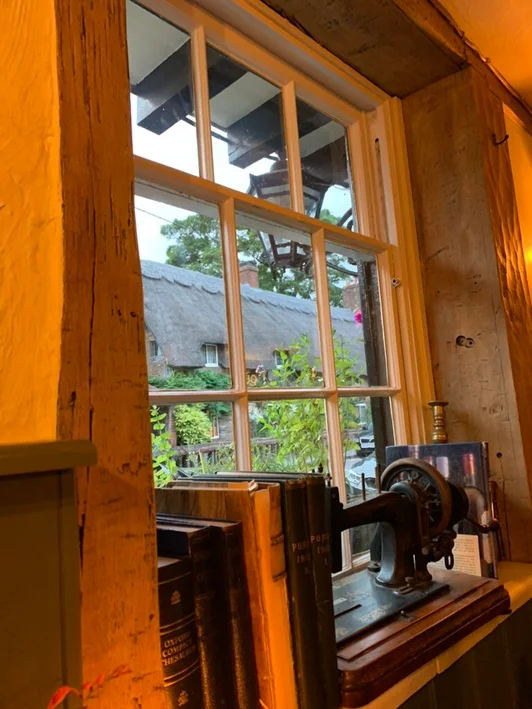
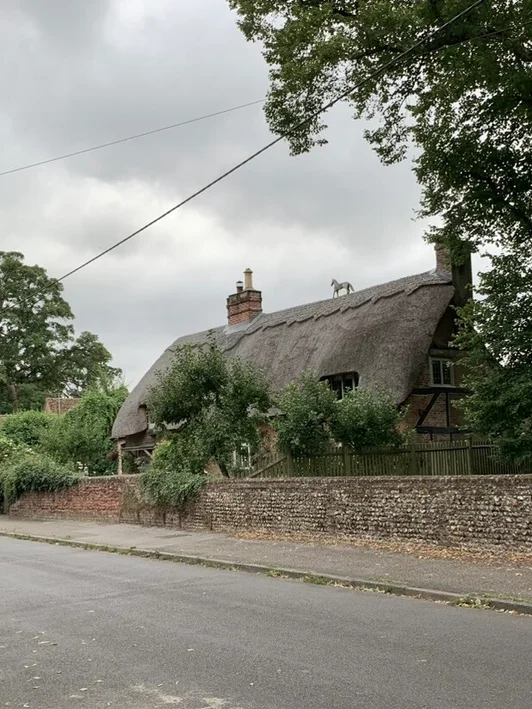
Photos: Chawton village.
Mrs Austen died at Chawton Cottage in January, 1827.
Cassandra remained there until February 1845, dying a month later whilst away from home visiting her brother, Frank.
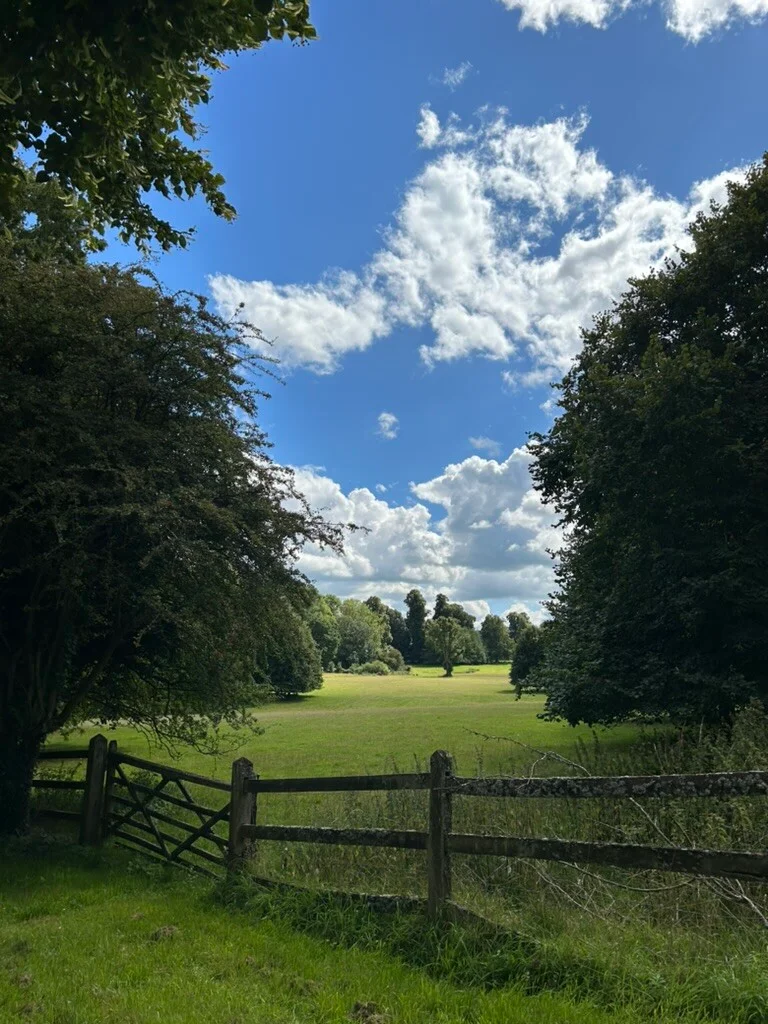
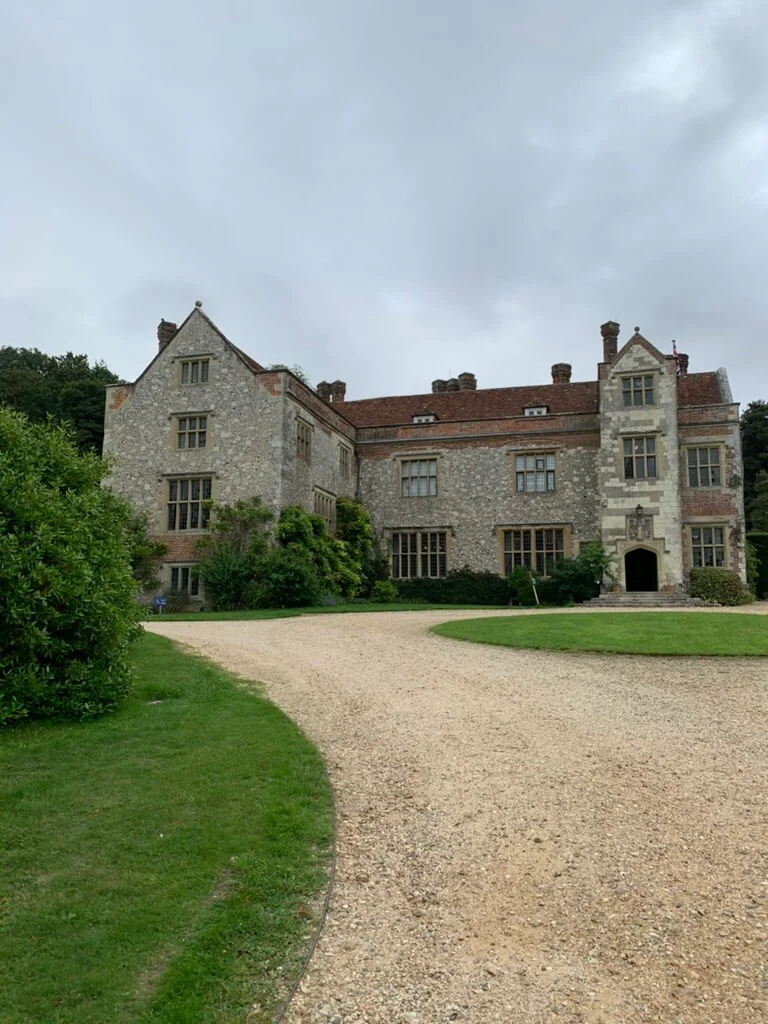
Photos: Chawton House
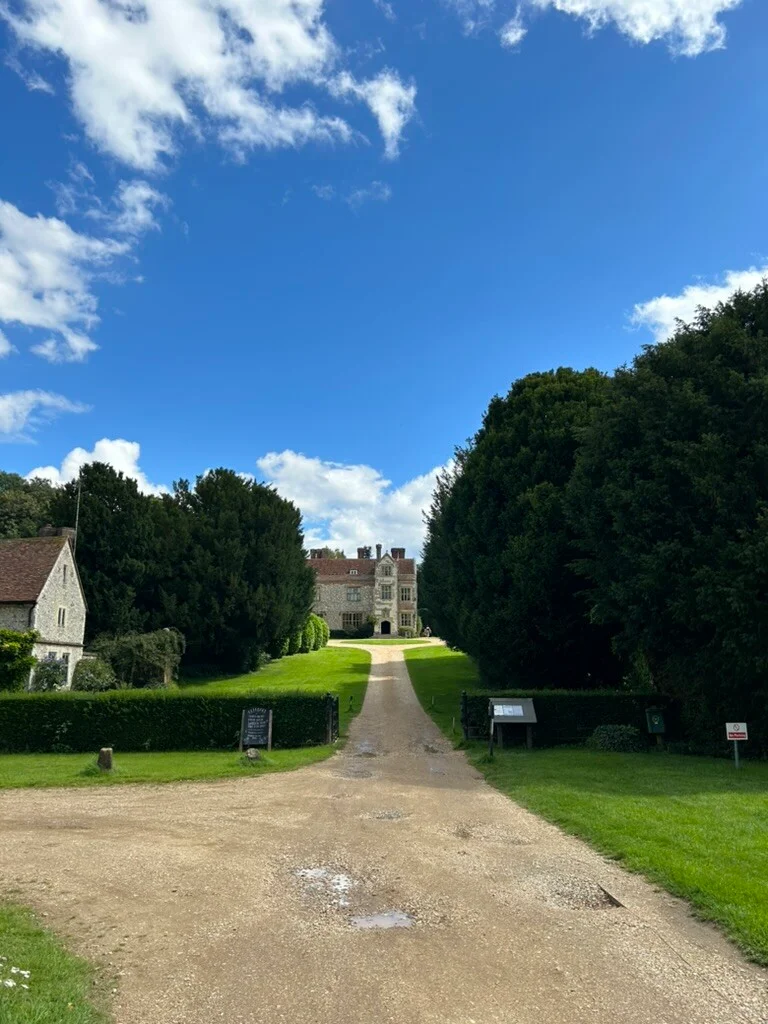

This was the main manor house of the Chawton estate which passed down to Edward Austen Knight following his adoption by Thomas Kinght II.
At the beginning of our novel, in 1809, the house was let out to the Middleton family, and when they left, Edward took it over for himself, notably moving the whole family there for a long stay during 1813.
Between 1814 and 1816, Frank Austen moved in with his young family to live whilst he was released from naval duties and Henry Austen lodged there for a while after Jane Austen died.
In 1814, a writ of ejectment was raised by a brewer from Alton who disputed Edward's right to the Chawton estate. He claimed that, as he was not a blood relative and was only adopted, the terms of a will deciding the line of inheritance should be reviewed. The lawsuit ran on for many years until Edward Knight finally won. Nevertheless, he still had to pay the brewer a hefty sum in compensation, and was forced to sell off a large section of the woodlands belonging to Chawton House, in order to find the money.
You can read the long and complex history surrounding this lawsuit in an article entitled 'Pride Prejudice and the Threat to Edward Knight's Inheritance ', written for Persuasions Online for The Jane Austen Society of North America. Read it here.
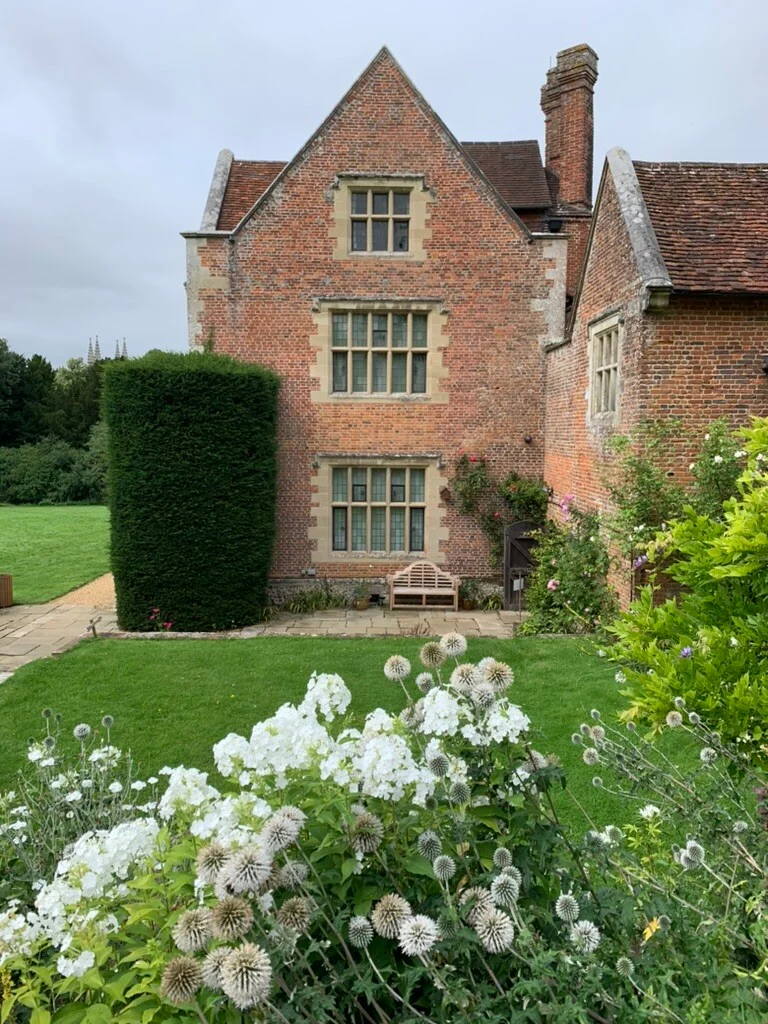
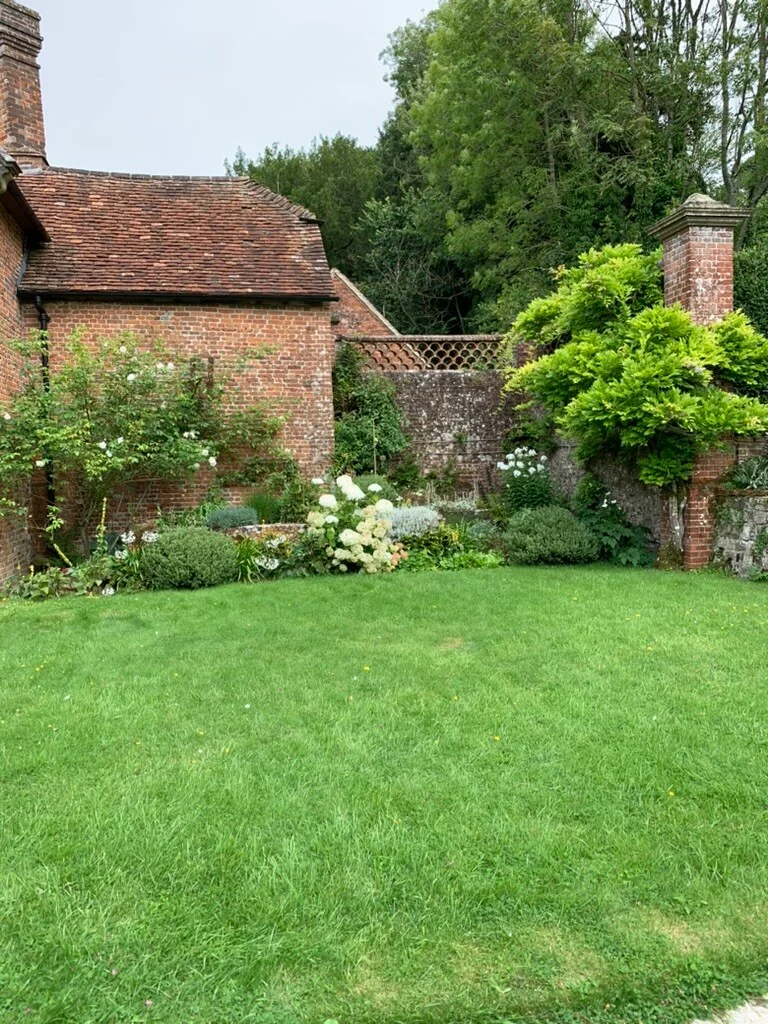
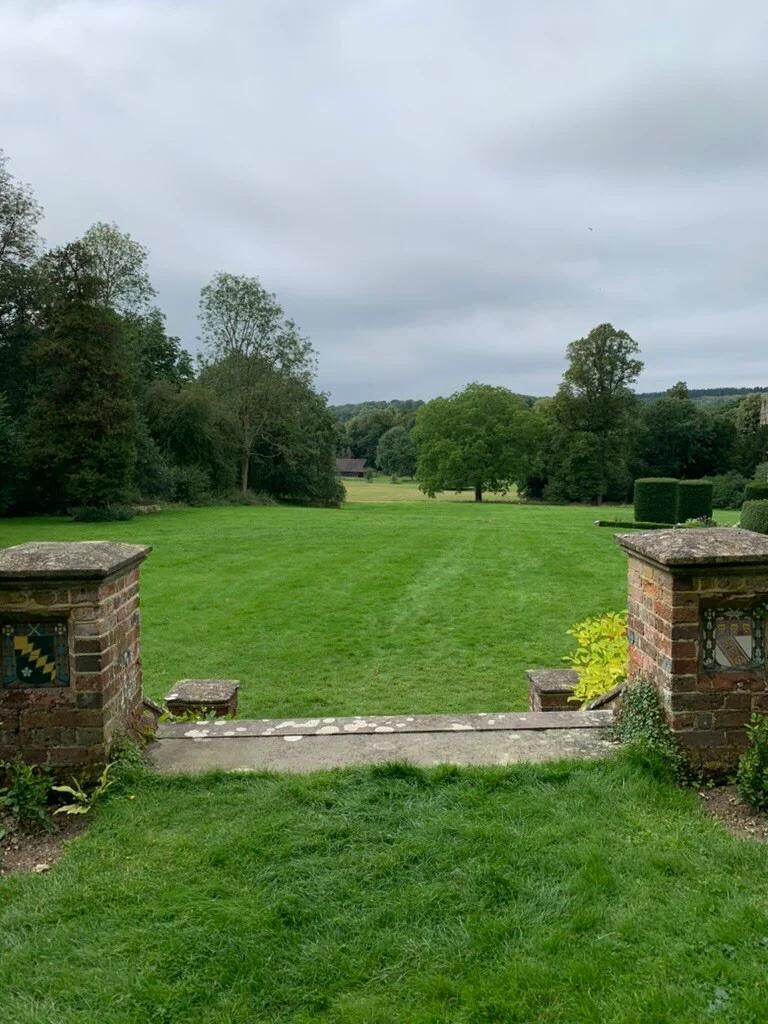
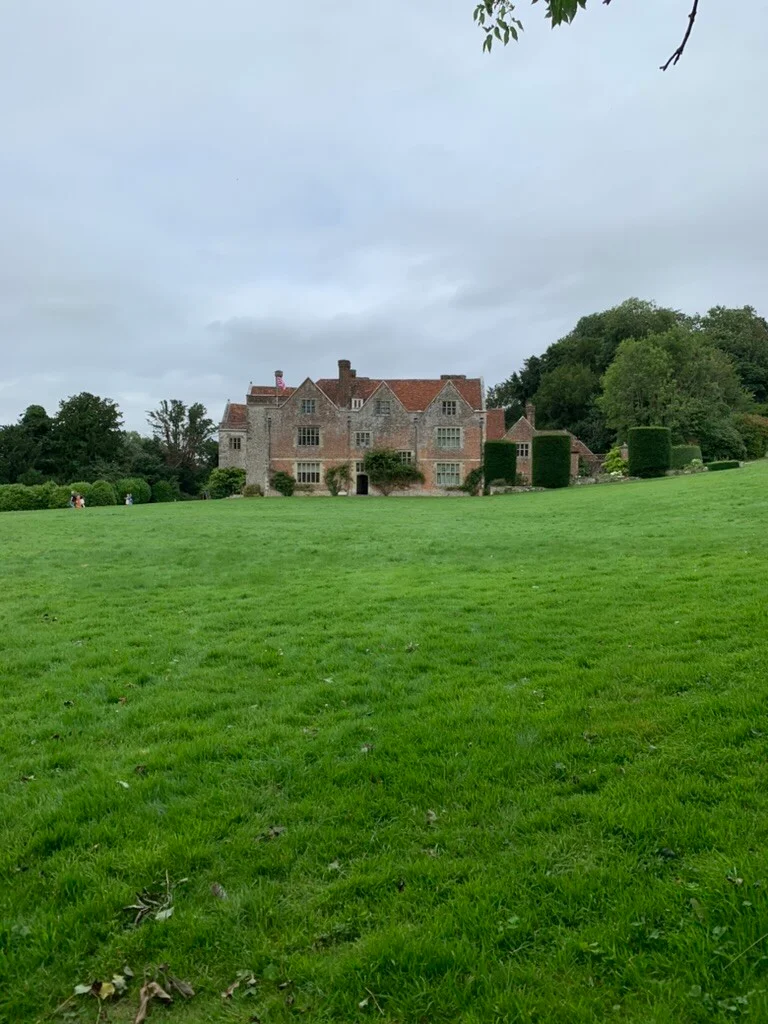
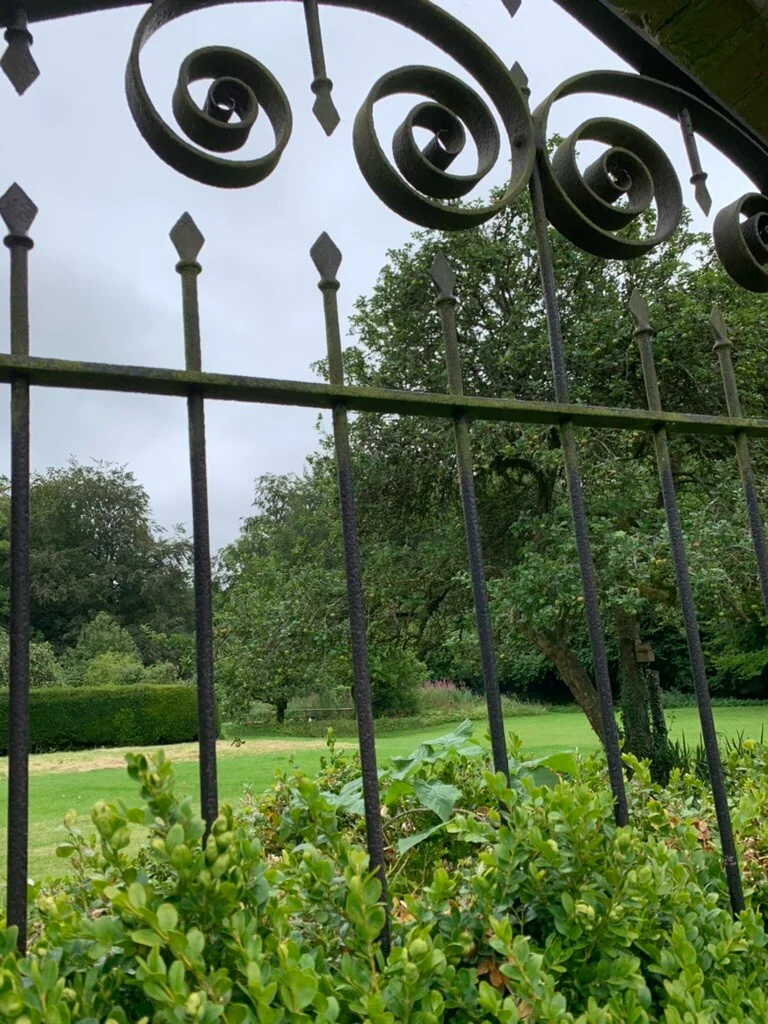
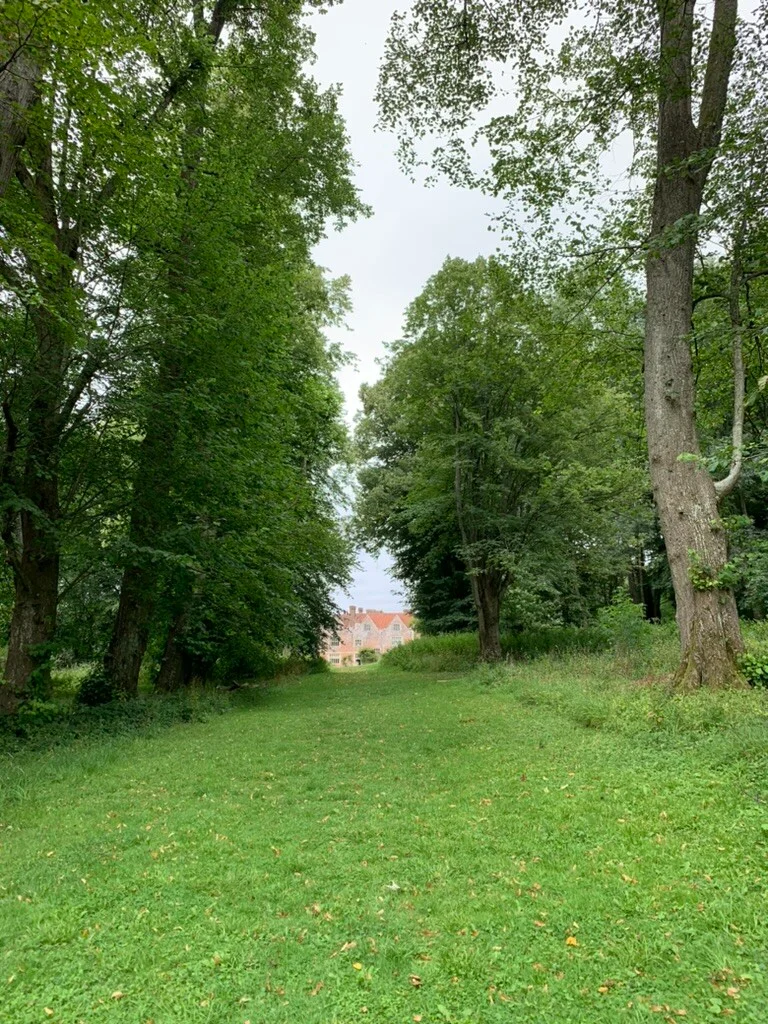
Photos: Chawton House and gardens
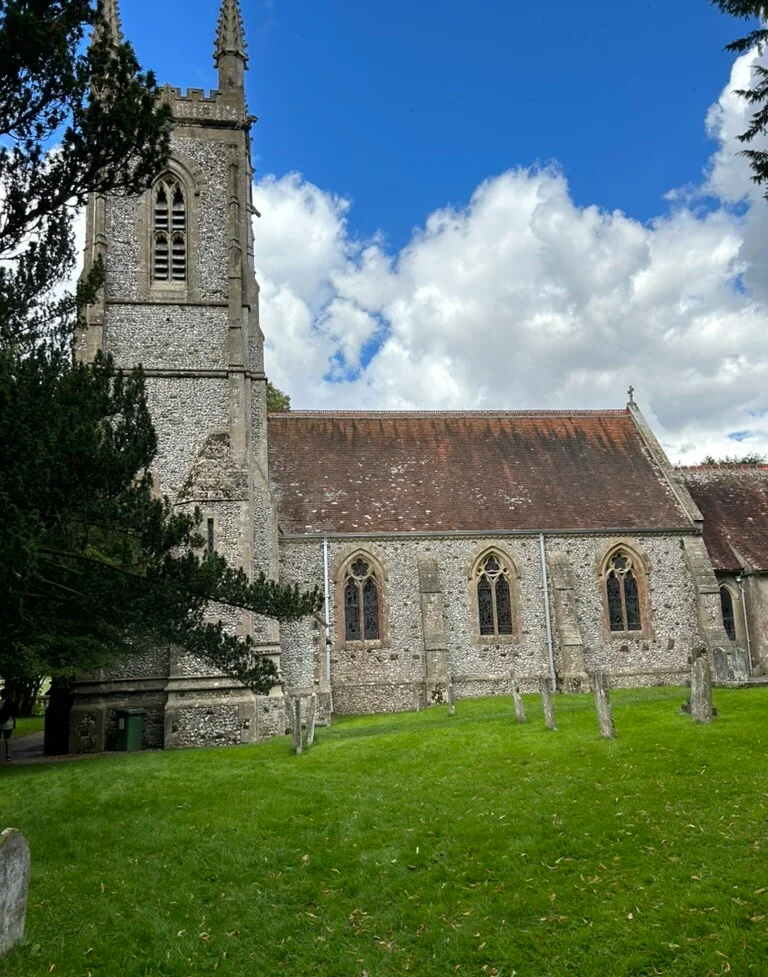

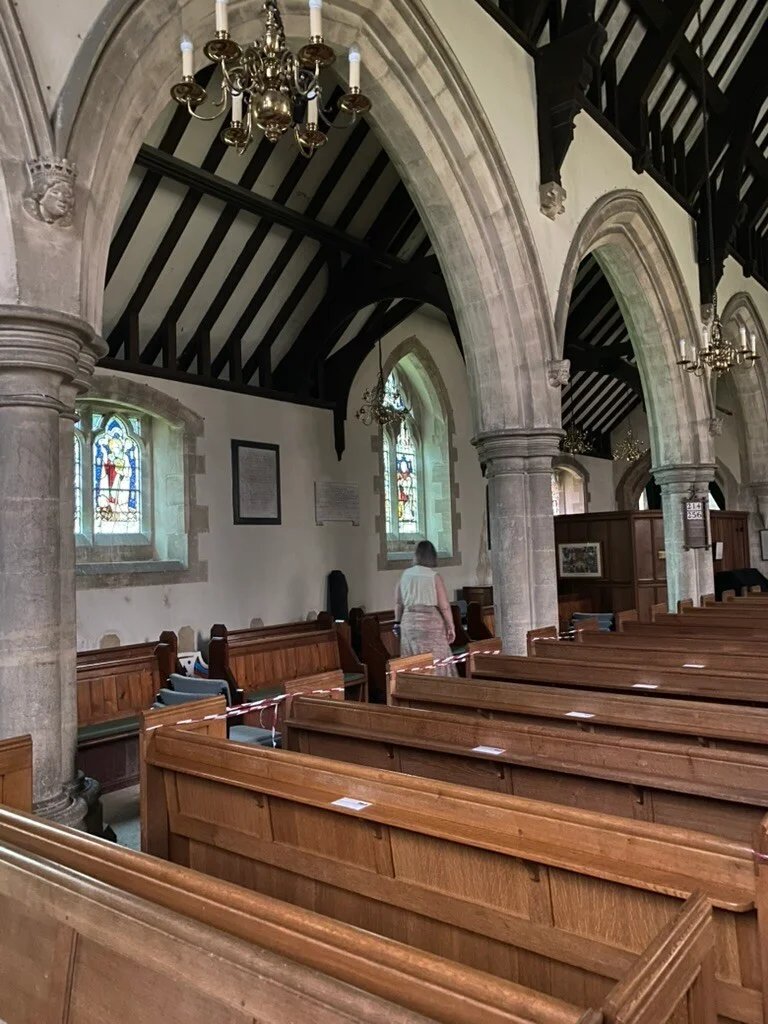
Photos: St Nicholas Church, Chawton
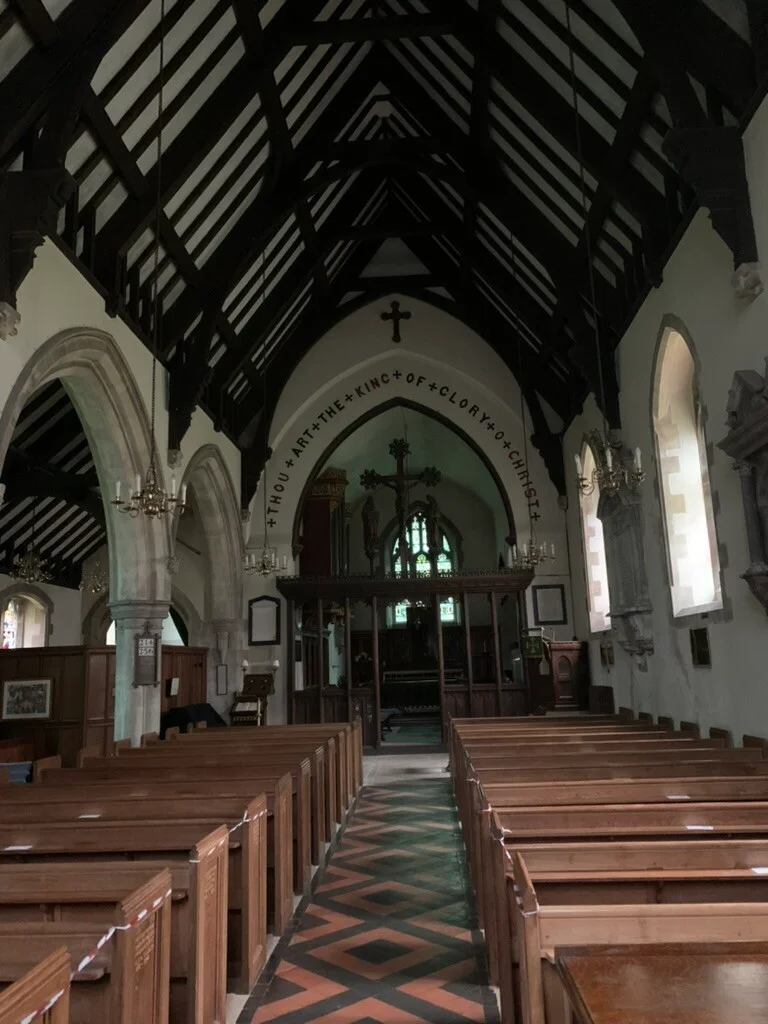
When Henry Austen first became a clergyman in 1816, he took services here as a curate under the leadership of the long-term incumbent, Mr Papillon.
When Mr Papillon died in 1837, the living was taken over by Edward's son, Charles Knight, a position he held for the next thirty years.
Mrs Austen was buried in the churchyard of St. Nicholas Church on January 23rd, 1827.
Cassandra Austen was buried next to her on March 28th, 1845.
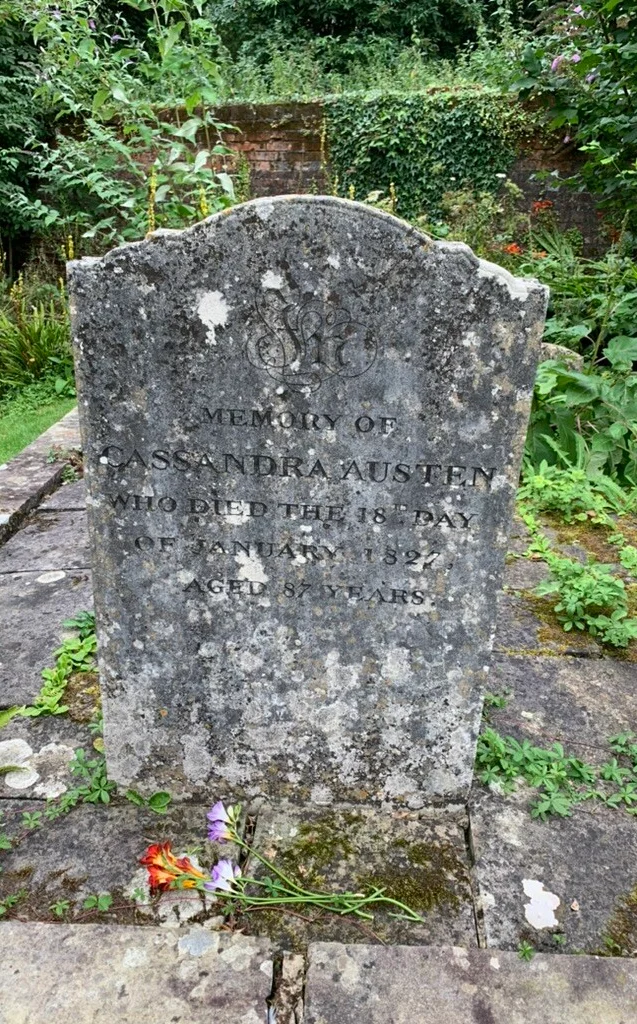
Photo: Mrs Austen's grave
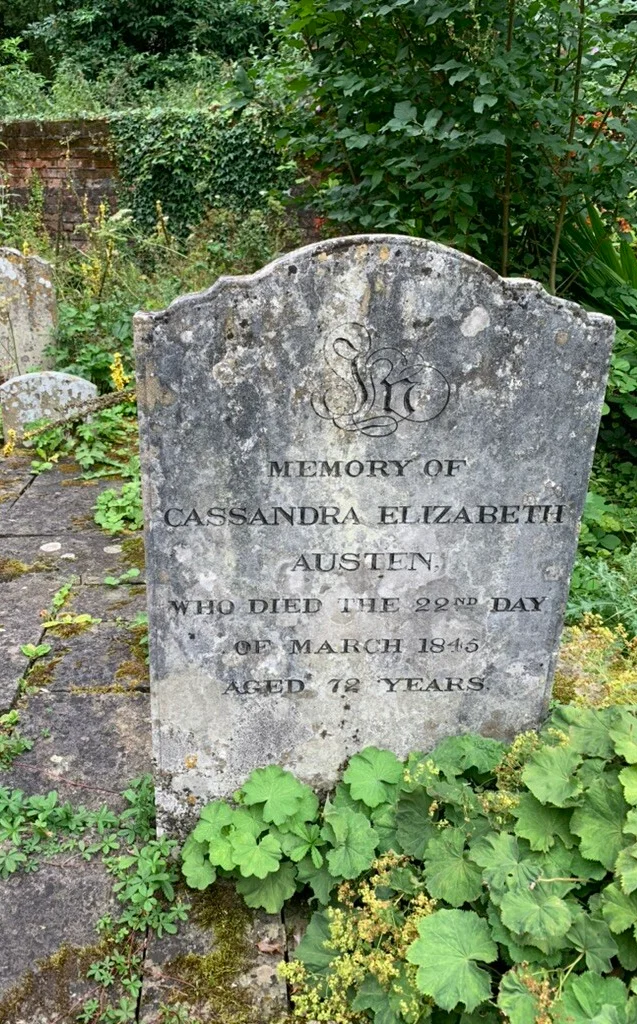
Photo: Cassandra Austen's grave
There is also a large family plot in the churchyard containing the graves of many generations of the Knight family.
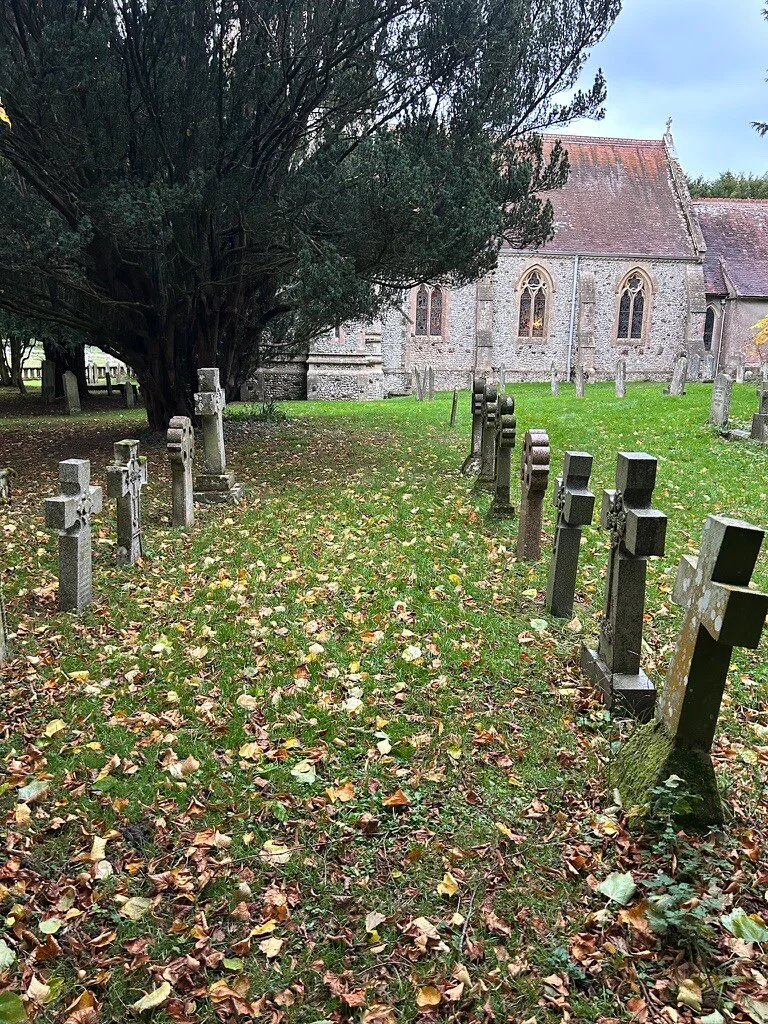
Photos: Knight family plot, St. Nicholas' Church, Chawton
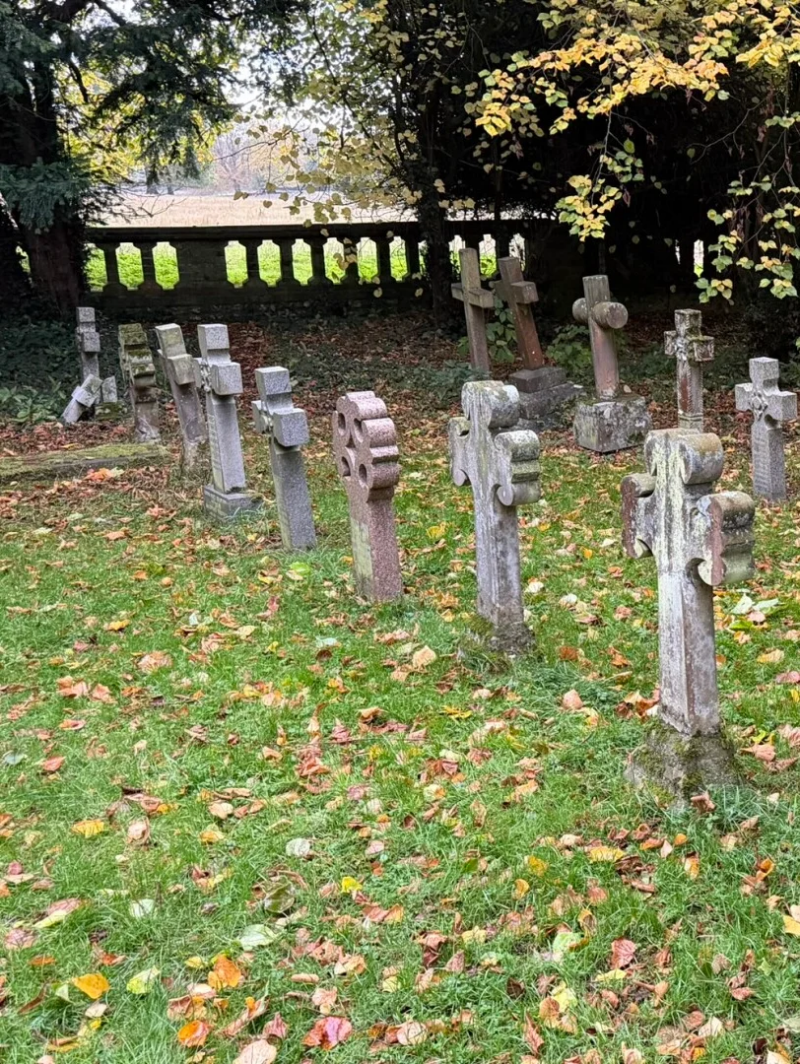
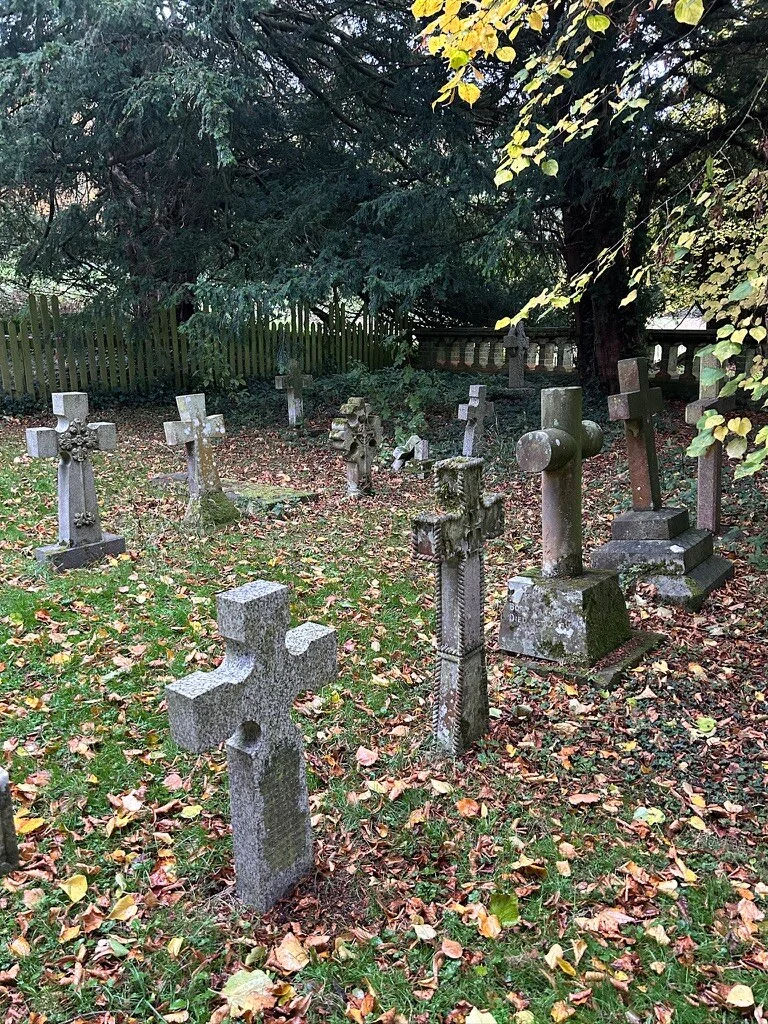
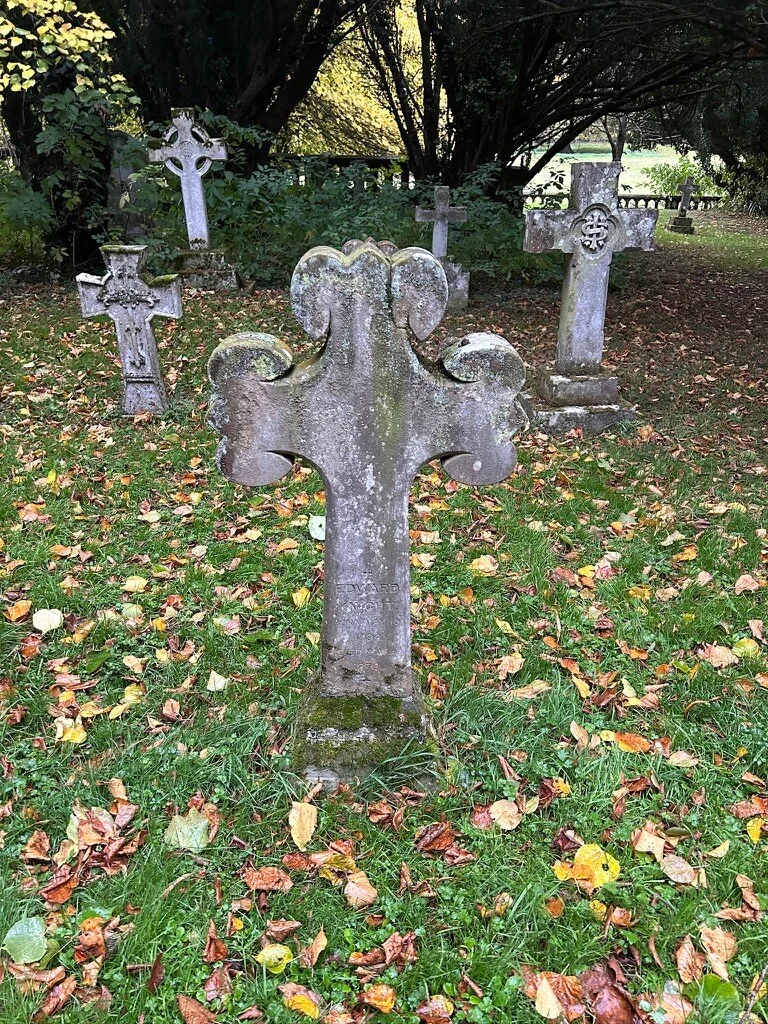
Photo: Grave of Edward Knight II, St. Nicholas' Church, Chawton
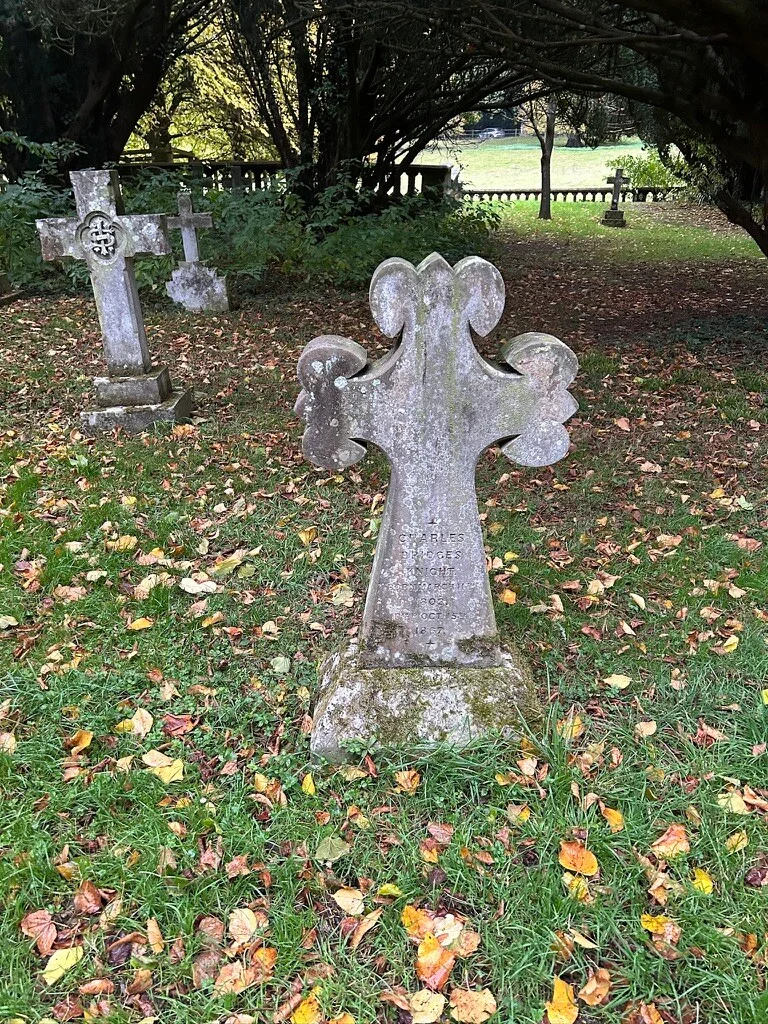
Photo: Grave of Charles Bridges Knight, St Nicholas' Church, Chawton
extract
If you would like to read an extract from The Austens of Chawton where the events take place in Chawton, click here.
REFERENCES
Le Faye, D. (2013) ‘1816: December 26th, Thursday’ in A Chronology of Jane Austen and her Family 1600-2000. Cambridge: Cambridge University Press, p.551.
Le Faye, D. (2013) ‘1837: 'April 4th, Tuesday’ in A Chronology of Jane Austen and her Family 1600-2000. Cambridge: Cambridge University Press, p.655.
Le Faye, D. (2013) ‘1837: 'May 24th, Wednesday’ in A Chronology of Jane Austen and her Family 1600-2000. Cambridge: Cambridge University Press, p.656.
Townsend, T. (2014) Jane Austen’s Hampshire. Somerset: Halsgrove. pp. 122-136